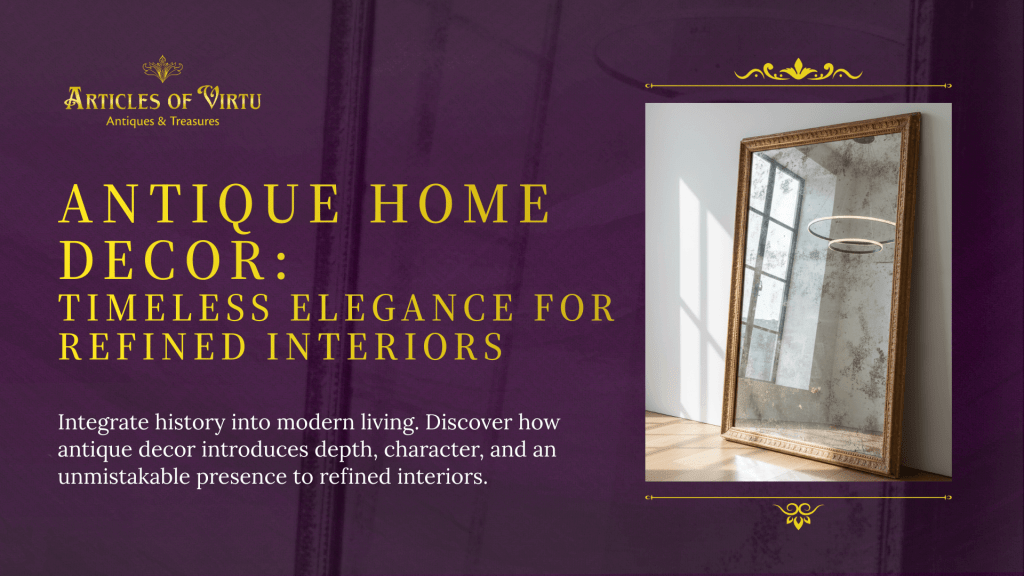
Antique home decor offers depth and authenticity that modern furnishings often lack. By understanding how to balance antiques with contemporary design, choose quality pieces, and avoid common mistakes, homeowners can create interiors that feel elegant, inviting, and enduring.
Antique home decor has an unmistakable presence—one shaped by time, craftsmanship, and lived experience. Unlike mass-produced furnishings, antiques and treasures carry the imprint of human hands and historical context. Within the first moments of entering a thoughtfully designed space, the subtleties of an antique piece—its patina, material, or proportion—invite admiration and reflection.
For homeowners seeking interiors that feel curated rather than styled, antique home decor provides a foundation rooted in permanence. It bridges past and present, allowing contemporary interiors to feel anchored, refined, and deeply personal. By blending heritage with modern living, antiques bring a sense of continuity and story that no new furniture can replicate.
Antiques endure because they were crafted to last. The materials and techniques used by artisans centuries ago were meant for function as well as beauty. Hand-forged metalwork, solid hardwood furniture, and finely woven textiles are built to withstand generations, aging gracefully while gaining character.
Beyond construction, antiques offer emotional and aesthetic value. Each piece carries a story—of a period, a maker, or a former owner—that enriches a home in ways modern reproductions cannot. Over time, these objects accrue meaning, subtly transforming spaces with authenticity and depth.
Moreover, antique home decor appeals universally because it complements a wide range of styles—from minimalist contemporary spaces to richly layered interiors. Its timelessness ensures that, regardless of current trends, these pieces remain relevant and admired.
A common misconception is that antique and vintage decor are interchangeable. While both have charm, understanding their differences helps create more thoughtful interiors.
For homeowners investing in a timeless interior, antiques and treasures are preferable because they offer durability, provenance, and an intrinsic narrative. Vintage pieces, while attractive, may be better suited as accent items or for exploring stylistic experimentation.
Integrating antiques into modern interiors is an art that balances old and new. The goal is harmony: allowing antiques to stand out without overwhelming the space or feeling out of place.
Tips for seamless integration:
The key is intention. Each antique piece should have purpose, whether it is functional, decorative, or narrative. This approach ensures that the home remains cohesive, elegant, and inviting.
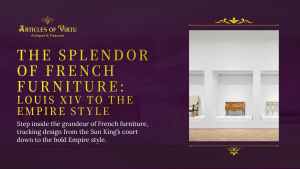
Many principles of antique home decor can be traced back to French furniture styles such as Louis XIV, Rococo, and Empire design traditions
Certain antique items consistently enhance modern living spaces, offering both beauty and utility. Homeowners often gravitate toward pieces that blend practicality with aesthetic appeal.
Popular selections include:
By selecting versatile pieces, homeowners can introduce antiques into multiple rooms without creating clutter or over-styling.
Antique home decor is unparalleled for infusing warmth and personality into a room. Its tactile qualities—softened wood, worn leather, and hand-forged metal—engage the senses and cultivate a feeling of lived-in comfort.
Contrasting antique elements with modern furnishings highlights their uniqueness. For instance:
These thoughtful placements ensure antiques enhance, rather than compete with, contemporary interiors, achieving sophistication without stiffness.
Each room in a home presents a unique opportunity to showcase antiques strategically. Placement should consider function, scale, and ambiance.
By carefully selecting pieces tailored to each room’s use, homeowners create interiors that feel purposeful, polished, and cohesive.
Even the most exquisite antiques can lose impact if misused. The following mistakes are common among homeowners:
Avoiding these pitfalls ensures that antiques and treasures retain their dignity and enhance the overall aesthetic.
Sourcing authentic antique home decor is essential for both aesthetic and investment value. Quality antiques are best acquired through trusted dealers, galleries, and curated collections that emphasize expertise over volume.
While online marketplaces can offer access, inspecting pieces in person remains invaluable. Physical evaluation allows homeowners to assess condition, craftsmanship, and scale—critical factors that photographs alone cannot convey. Reputable sources prioritize transparency, providing documentation and provenance that reinforce the authenticity and integrity of each antique.
A home shaped by antique home decor transcends fleeting trends. It reflects thoughtfulness, taste, and appreciation for history. Antiques and treasures introduce layers of character, warmth, and narrative, making interiors feel lived-in, refined, and personal.
When thoughtfully integrated, antiques can:
For homeowners seeking guidance, expert curation provides confidence in selection and placement. If you are ready to elevate your interiors with antiques and treasures selected for authenticity, elegance, and lasting appeal, Contact us to explore curated collections and professional insight.
Absolutely. With careful selection and placement, antiques enhance contemporary spaces beautifully.
Many are, especially tables, seating, and storage furniture crafted for durability.
Balance antiques with contemporary pieces, and give each item space to be appreciated.
High-quality antiques and treasures often retain or increase their value over time.
Start with versatile pieces—mirrors, tables, or lighting—and seek guidance from trusted specialists to ensure authenticity.

Searching for antiques that tell a story? Connect with us to see our finest rare and collectible items.
Searching for antiques that tell a story? Connect with us to see our finest rare and collectible items.
Subscribe now to keep reading and get access to the full archive.